
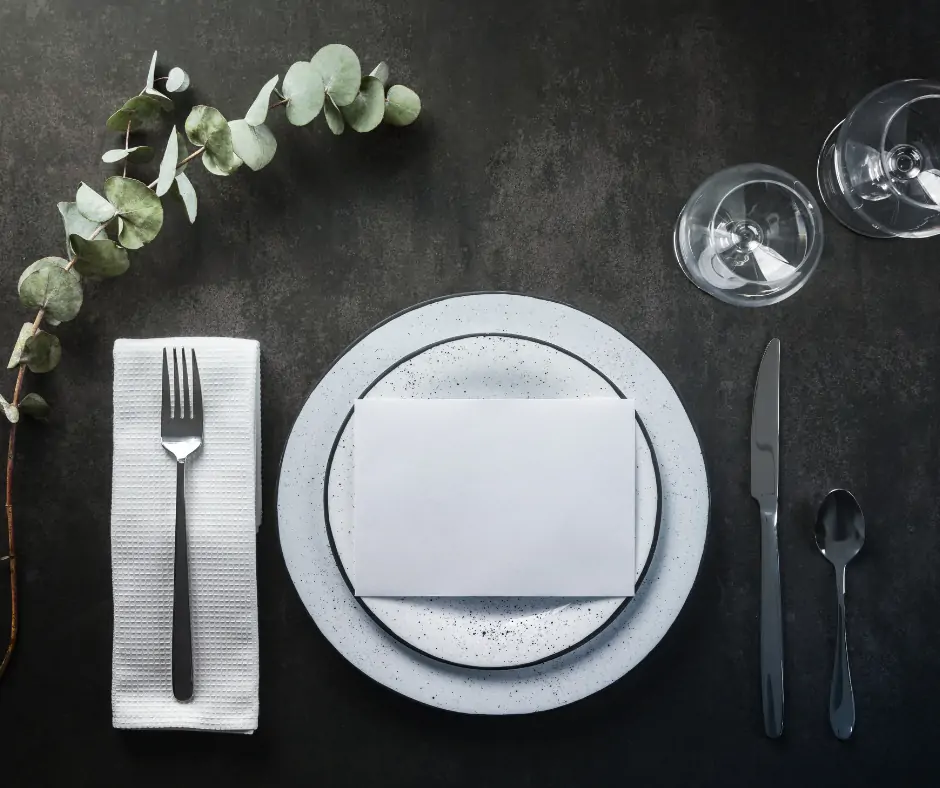
Introduction: A Lesson Beyond the Table
When I first took on the challenge of helping an etiquette coach refine her business strategy—the one I go in depth here, I never imagined it would become a personal lesson in leadership.
I immersed myself in the world of table etiquette, initially as a marketing experiment—but it soon turned into something much deeper.
What I discovered was that these small, meticulous rules were not just about appearances.
They were about self-discipline, impulse control, and personal growth—the very foundations of strong leadership.
Is that so?
To truly understand what I was selling, I decided to practice it.
I watched the coach’s videos, read her materials, and applied the principles of table etiquette in my daily life.
At first, it felt unnecessary—even frustrating.
After cooking a meal, all I wanted was to eat.
Yet, I forced myself to sit properly, hold my utensils the “correct” way, and pace myself.
The experience was uncomfortable, and it made me wonder: Why does this matter? Who would want to go through this?
The moment I asked myself that question, I knew I had stumbled upon something important.
So I wanted to know…
Why Does Table Etiquette Matter?
You see, table manners have historically been associated with the elite.
In royal families, aristocratic circles, and high-ranking leadership, proper dining etiquette was more than just a formality—it was a way of teaching control and discipline from a young age.
The thing is that many upper-class families insist on strict table manners for their children, not just to prepare them for social settings but to cultivate patience, restraint, and self-awareness.
A child who learns to control their impulses at the dinner table is more likely to develop the emotional intelligence required for leadership roles later in life.
This reminded me of the saying: Manners maketh man.
The way someone behaves in the smallest situations often reflects their character in larger, more critical moments.
Impulse Control and Leadership
In business and life, impulsiveness can lead to poor decisions.
A leader who cannot regulate their emotions or instincts will struggle to maintain authority and respect.
In fact, if you try to recall any impulsive person in the position of a leader, you may think of it as a villain or someone that creates a catastrophic result.
Think about great leaders in history.
They weren’t necessarily the loudest or most aggressive; they were the ones who could think ahead, stay composed, and make calculated decisions under pressure.
Table etiquette, in its simplest form, is a training ground for this kind of self-mastery.
It’s about learning to slow down, be present, and approach situations with intentionality.
Key Takeaways for Personal Growth
- Small habits shape greater discipline. Something as simple as proper dining habits can train you to be more mindful in other areas of life.
- Self-control is a superpower. If you can control how you eat, you can control how you react, how you lead, and how you make decisions.
- Growth comes from discomfort. The frustration I felt practicing table etiquette was a sign of resistance—proof that I was developing a new skill.
Next time you sit at a table, challenge yourself to slow down and be mindful of your actions.
You might just discover something valuable about yourself.
Leave a Reply